
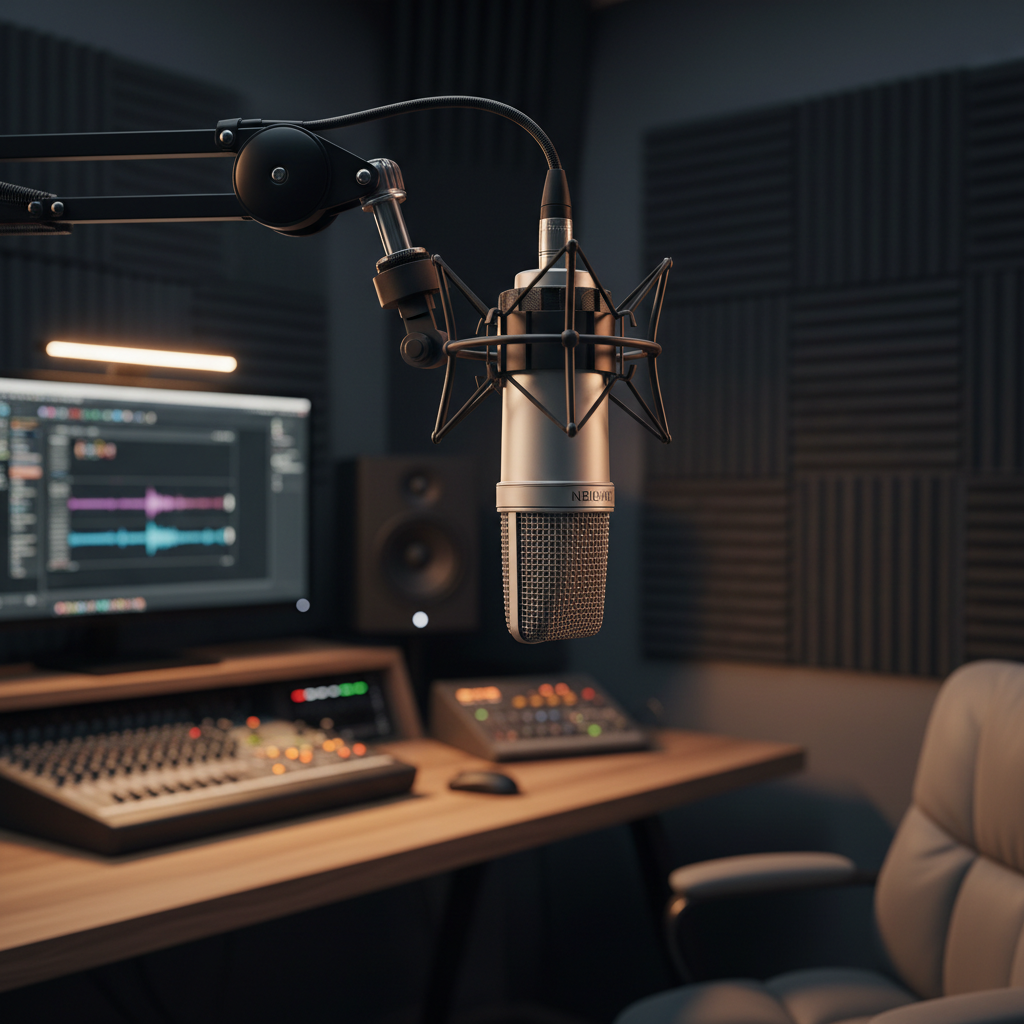
For aspiring musicians, podcasters, and content creators, the journey often begins in a home studio. Among the myriad of decisions, none is perhaps as critical as selecting the right microphone, especially when recording vocals. A good vocal recording can elevate your song or podcast from amateur to professional, capturing every nuance and emotion. But with countless options available, how do you choose a microphone that truly brings your voice to life without breaking the bank? This article will guide you through the essential considerations to make an informed decision, focusing on the common dilemma: condenser versus dynamic microphones for home vocal recording.
Condenser vs. Dynamic: Understanding the Core Difference
The first and most fundamental decision you’ll face when choosing a vocal microphone is between a condenser and a dynamic microphone. While both capture sound, they do so in fundamentally different ways, making them suitable for different applications. Understanding their core characteristics is key to unlocking crystal-clear vocals.
Condenser Microphones (The Detail Seekers): These microphones are known for their sensitivity and ability to capture intricate details. They use a lightweight diaphragm that vibrates with sound waves, converting them into an electrical signal. This sensitivity provides a wide frequency response, meaning they can pick up both very high and very low sounds accurately. For vocals, this translates to capturing the breath, subtle inflections, and the overall “airiness” of a voice. They typically require “phantom power” (a 48V electrical current supplied by your audio interface or mixer) to operate. Due to their delicate nature, condenser microphones are best suited for controlled environments, making them ideal for home studio vocal recording where you want to capture the full spectrum of your voice.
Dynamic Microphones (The Workhorses): In contrast, dynamic microphones are less sensitive and more robust. They operate using a coil of wire attached to a diaphragm, which moves within a magnetic field when sound waves hit it. This design makes them incredibly durable and less prone to picking up background noise. They excel in loud environments and are often the go-to for live performances because they can handle high sound pressure levels (SPLs) without distortion. While they might not capture the same level of detail as condensers, they offer a warm, punchy sound that can be very flattering for certain vocal styles, especially those with a powerful delivery.
Technical Considerations for Vocal Clarity
Beyond the basic type, a few technical aspects significantly impact how a microphone performs for vocals. Focusing on these will help you refine your choice.
Frequency Balance: This refers to how accurately a microphone reproduces different pitches (frequencies) of sound – from deep bass to shimmering highs. For clear vocals, you generally want a microphone with a relatively flat frequency response in the vocal range (roughly 80 Hz to 15 kHz). Some microphones have subtle “bumps” in certain frequencies that can enhance presence or clarity, while others might roll off highs or lows, which can either be detrimental or beneficial depending on the voice and desired sound. A good condenser microphone for vocals will offer a balanced frequency response, ensuring your voice sounds natural and articulate. Avoid microphones with overly scooped mid-ranges or exaggerated highs, as these can make vocals sound thin or harsh.
Self-Noise: Every electronic device generates a small amount of internal noise, and microphones are no exception. This “self-noise” or “equivalent input noise” (EIN) is typically measured in dB SPL (decibels Sound Pressure Level). For vocal recordings, especially in a quiet home studio, a low self-noise figure is crucial. A high self-noise microphone will introduce an audible hiss into your recordings, even when no one is singing. Condenser microphones, with their sensitive electronics, generally have lower self-noise than dynamic microphones, making them a better choice for capturing subtle vocal performances with minimal background distractions.
Proximity Effect: This phenomenon occurs when a sound source (like your mouth) is very close to a directional microphone, resulting in an artificial boost in low-frequency response (bass). While sometimes used creatively to add warmth and fullness to a voice, too much proximity effect can make vocals sound muddy and indistinct. Dynamic microphones often exhibit a more pronounced proximity effect than condensers. Understanding this can help you adjust your singing distance or choose a microphone with a less aggressive low-end boost if you prefer to sing close to the mic.
Making the Right Choice: Practical Advice and Common Mistakes
Now that you understand the technical nuances, here’s how to choose and use your microphone effectively and avoid common pitfalls.
For Home Studio Vocals, Start with a Good Condenser: For most home studio vocalists aiming for clear, detailed, and professional-sounding recordings, a large-diaphragm condenser microphone is often the best starting point. They excel at capturing the nuances of the human voice and offer a versatile sound. Popular entry-level options include the Rode NT1-A, Audio-Technica AT2020, and the Blue Yeti (a USB condenser, great for simplicity). If your budget allows and you also need a mic for live use or louder instruments, a dynamic mic like the Shure SM58 is a legendary workhorse, but for pure studio vocal quality, a condenser will generally outperform it.
Don’t Forget Your Audio Interface: A great microphone alone isn’t enough. You’ll need an audio interface (a device that connects your mic to your computer) with a clean preamp and reliable phantom power. Low-quality preamps can introduce noise and color your sound, negating the benefits of a good microphone. Look for interfaces from reputable brands like Focusrite, Universal Audio, or PreSonus.
Room Acoustics Matter (A Lot!): The best microphone in the world will sound terrible in a bad room. Hard, reflective surfaces (bare walls, windows) will cause echoes and unwanted reverberation, making your vocals sound distant and unprofessional. Even simple solutions like blankets, duvets, or DIY acoustic panels can significantly improve your home studio’s sound. Record in a smaller, carpeted room if possible, and experiment with placement to minimize reflections.
Common Mistakes to Avoid:
- Ignoring Your Environment: Don’t buy an expensive condenser if you’re recording in a noisy, untreated room. The mic will just pick up more of the bad acoustics.
- Buying Based Solely on Brand Hype: Research and listen to sound samples. What works for one vocalist might not work for another.
- Not Using a Pop Filter: A pop filter (a fine mesh screen placed between you and the mic) is essential for reducing harsh “P” and “B” sounds (plosives) and protecting your microphone.
- Incorrect Gain Staging: Setting your microphone’s input level (gain) too high will cause distortion, while too low will result in a weak, noisy signal. Aim for levels that peak around -6dB to -10dB on your audio interface.
By understanding the fundamental differences between microphone types, considering key technical specifications, and applying practical recording techniques, you can confidently choose the right microphone to capture your best vocal performances in your home studio, transforming your audio from good to truly excellent.